
Divorce is one of the most significant life transitions a family can face, affecting emotional, financial, and social aspects of life. Beyond the separation itself, it introduces changes that ripple through daily routines, family dynamics, and long-term goals. For many people, the initial stages of divorce are accompanied by uncertainty, anxiety, and even fear about the future. Emotions often fluctuate, with moments of relief interspersed with grief or regret. Recognizing and validating these emotions is essential, as attempting to suppress them can make the adjustment period longer and more stressful. The psychological and emotional well-being of all family members, particularly children, is a central consideration during this time. Successfully navigating this period requires deliberate planning, informed decision-making, and access to reliable resources. Families that approach the transition with foresight are better able to maintain stability while addressing immediate challenges. Establishing clear routines, understanding legal obligations, and seeking guidance from professionals can help reduce the sense of chaos that often accompanies divorce. Importantly, divorce can also present opportunities for growth, self-discovery, and the creation of a healthier environment for children and adults alike. By prioritizing communication, emotional support, and strategic planning, families can move through this challenging time with a sense of purpose and direction, laying the groundwork for long-term stability and well-being.
Understanding the Broader Effects of Divorce

Divorce not only alters the legal and financial status of individuals; it impacts nearly every aspect of life for all involved family members. Emotionally, adults often experience a spectrum of feelings, including sadness, relief, guilt, or even confusion, while children may face challenges in processing the change in their family structure. These emotional responses can affect daily functioning, social interactions, and mental health. Relationships with extended family, friends, and colleagues may also shift as everyone adjusts to the new family dynamic. Moreover, the stress of divorce can manifest in physical symptoms, such as fatigue, headaches, or sleep disturbances, underscoring the deep connection between emotional and physical health during life transitions. From a legal perspective, divorce law defines the parameters for property division, financial responsibilities, and parental obligations, shaping the post-divorce reality for all parties. Understanding the legal framework empowers individuals to make informed choices about child custody, alimony, and asset division, reducing the likelihood of conflict. Beyond immediate legal consequences, the broader effects of divorce also touch on practical areas such as housing, daily routines, and access to healthcare. Being aware of these effects allows families to proactively plan for stability, seek professional guidance, and implement strategies to support emotional well-being. In essence, divorce law not only dictates legal outcomes but also serves as a framework that helps families navigate the complexities of this significant life change.
Legal Considerations That Shape Family Decisions
Legal considerations are a cornerstone of managing life during and after divorce, as they provide structure and clarity in an otherwise emotionally charged period. Decisions regarding child custody, visitation schedules, financial responsibilities, and property division must all be approached carefully to ensure fairness and compliance with the law. Misunderstandings or oversights can lead to prolonged disputes, unnecessary stress, or even legal consequences. By understanding the legal implications of each decision, families are better prepared to make choices that reflect their long-term priorities while minimizing conflict. These considerations are not limited to immediate outcomes but extend to shaping the family’s stability, daily routines, and financial security. Working with a custody attorney can make a profound difference in how families navigate these complex legal matters. An experienced attorney can provide guidance on state-specific laws, help parents understand their rights and responsibilities, and facilitate negotiations that focus on the best interests of the children. Additionally, a custody attorney can mediate discussions between parents, reducing emotional tension and helping families develop practical agreements that address living arrangements, visitation, and co-parenting responsibilities. Professional legal guidance ensures that decisions are legally sound, enforceable, and tailored to the unique needs of each family. Ultimately, these measures provide a foundation of structure and clarity, enabling parents and children alike to adjust to post-divorce life with confidence, stability, and peace of mind.
Supporting Child Development During Transition
Children experience divorce differently from adults, and the emotional impact can vary widely depending on their age, temperament, and the stability of their environment. Even when parents are cooperative, children may feel uncertainty, sadness, or anxiety about changes in living arrangements, school routines, and family dynamics. They might also internalize conflict or tension between parents, which can affect behavior, academic performance, and social interactions. Parents need to recognize these emotional responses and respond with patience, reassurance, and understanding. Maintaining open lines of communication helps children feel heard and valued while giving them the tools to express their emotions in healthy ways. Stability and consistency during this period are crucial for helping children adapt and build resilience.
Focusing on child development during a divorce requires more than emotional support—it also involves practical steps to ensure children continue to grow and thrive. This includes monitoring behavioral changes, maintaining daily routines, and providing opportunities for social and educational engagement. Parents can work together to create consistent schedules for meals, homework, extracurricular activities, and sleep, even if children spend time in separate households. Engaging in activities that foster learning, creativity, and social interaction supports cognitive and emotional growth during a period of uncertainty. Consulting professionals, such as child therapists or counselors, can provide additional guidance and early intervention if challenges arise. By proactively addressing the emotional and developmental needs of children, parents can help them navigate transitions with confidence and ensure that their long-term well-being is safeguarded.
Navigating Custody Arrangements With Confidence
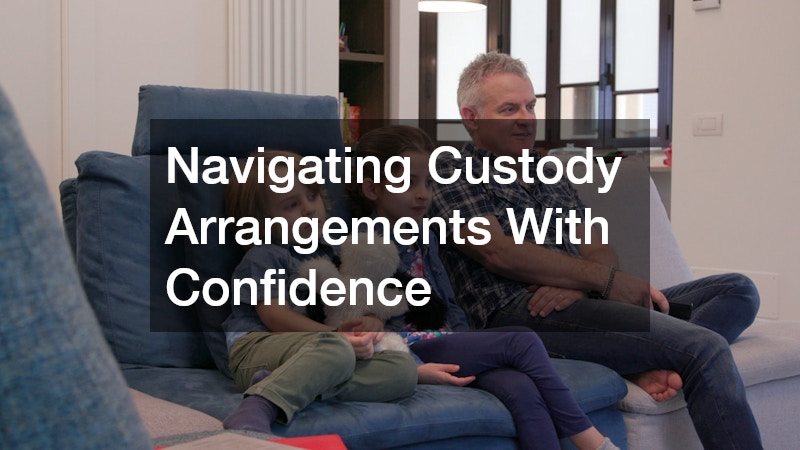
Custody arrangements are often one of the most stressful aspects of divorce because they directly influence a child’s sense of security and stability. Parents must decide not only where a child will live but also how time will be shared, who will make key decisions, and how routines will be managed. These decisions can significantly affect emotional and social development, making clear agreements and communication essential. Well-planned custody arrangements reduce confusion and tension, giving children a predictable environment in which to adjust to change. When parents approach custody with cooperation, transparency, and flexibility, the likelihood of conflict decreases,s and the child benefits from a smoother transition between households. Daily logistics often influence how custody plans function in real life, including school schedules, extracurricular activities, and access to day care. Coordinating schedules between parents and a reliable day care can significantly reduce stress for children during this transitional period. Thoughtful planning around these practical needs can prevent ongoing conflict and reduce stress for both parents and children.
Working with a custody attorney is often crucial in developing agreements that serve the best interests of the child while protecting parental rights. A custody attorney provides guidance on state-specific laws, legal requirements, and potential options for joint or sole custody, as well as visitation schedules. Professional legal support helps parents anticipate potential challenges, negotiate compromises, and formalize arrangements that are enforceable in court. A custody attorney can also mediate discussions between parents, ensuring that decisions are made objectively and with the child’s welfare in mind. By establishing clear legal structures and practical arrangements, parents can focus on creating a nurturing environment for their children while minimizing conflict, fostering stability, and promoting positive long-term development.
Choosing Reliable Child Care and Daily Routines
During a divorce, maintaining predictable routines and dependable care is essential for children’s emotional stability and overall development. Consistent schedules for meals, school, activities, and bedtime provide a sense of normalcy during a period of change, helping children feel secure even as family structures shift. Reliable child care is a key component of this stability, offering a safe and structured environment where children can continue learning, socializing, and engaging in age-appropriate activities. Choosing child care thoughtfully can alleviate parental stress while promoting a sense of continuity and reassurance for children navigating uncertainty.
Selecting the best daycare involves evaluating multiple factors, including staff experience, facility safety, program quality, and alignment with a child’s specific needs. Parents may also consider location, cost, communication practices, and the daycare’s approach to social-emotional development. A high-quality daycare can support academic readiness, peer interaction, and behavioral development, serving as an essential extension of home routines. Coordinating daycare schedules with custody arrangements, school activities, and parental work obligations ensures consistency and reduces stress for both children and parents. By investing time and care into selecting reliable child care and maintaining structured daily routines, parents can provide children with a stable environment that fosters growth, resilience, and confidence during a period of significant transition.
Managing Health Insurance and Family Coverage
Changes in family structure often require a careful review of practical matters that affect daily security, including access to medical care. Divorce can alter eligibility, coverage options, and financial responsibilities, making it important to understand how these shifts may affect both adults and children. Addressing these concerns early can prevent gaps in care and reduce stress during an already demanding time. Managing health insurance requires evaluating available plans, coverage limits, and costs to ensure ongoing protection. This process may involve updating policies, exploring new options, or confirming coverage for dependents. Taking the time to make informed decisions helps families maintain continuity of care and avoid unexpected expenses as they adjust to new circumstances.
Planning a Move and Selecting Professional Help

Relocation is a common part of post-divorce transition, whether it involves downsizing, changing neighborhoods, or creating a fresh start. Moving can be physically and emotionally exhausting, especially when combined with other life changes. Proper planning helps reduce disruption and allows families to approach relocation with greater confidence and control. Hiring a moving company can ease much of the logistical burden by providing structure, efficiency, and reliability during the process. Professional assistance allows individuals to focus on settling into new routines rather than managing every detail alone. When handled thoughtfully, a move can mark a positive step toward stability and independence.
Adjusting to a New Apartment and Environment
A change in living space often represents more than a new address. It can influence daily routines, emotional comfort, and a sense of independence. Adjusting to unfamiliar surroundings takes time, particularly for children who may need reassurance as they adapt to a different environment and set of expectations. Settling into a new apartment involves creating familiarity and comfort within the space. Simple steps such as establishing routines, personalizing rooms, and exploring the surrounding community can help make the transition smoother. Over time, a well-adjusted living environment can provide a sense of security and support a positive outlook moving forward.
Using Storage Solutions for Temporary Stability
During periods of transition, families often face challenges in managing belongings, furniture, and personal items. Storage solutions can provide temporary stability, reducing clutter and creating breathing room in a new or changing living situation. Having organized, accessible storage helps maintain a sense of order and minimizes stress for both adults and children. A local storage unit can be particularly valuable when timing moves, downsizing, or preparing for renovations. It offers a secure location for important items, from furniture to personal documents, while giving families flexibility to manage their belongings at their own pace. Utilizing this resource thoughtfully can simplify logistics and support a smoother day-to-day life during an otherwise hectic period.
Maintaining Safety and Security During Change

Safety and security often take on new significance during times of upheaval. Changes in residence, access, or household routines can create vulnerabilities if not addressed carefully. Maintaining security helps families feel protected and supports emotional stability for everyone involved. Engaging a locksmith company can ensure that new homes, apartments, or shared spaces remain safe and secure. Professional services can address locks, keys, and access control, giving peace of mind during a transition. Proactively managing security concerns allows families to focus on adjusting to new circumstances rather than worrying about potential risks.
Divorce is a complex and multifaceted life event that affects emotional, legal, and practical aspects of family life. While it presents challenges, it also provides opportunities for growth, reflection, and the establishment of new routines that better support long-term stability. Thoughtful planning, clear communication, and the strategic use of resources can make this transition more manageable for everyone involved. By addressing both the broad and specific impacts—from legal considerations and child development to housing, daily care, and safety—families can navigate change with confidence. Seeking professional guidance, maintaining consistent routines, and utilizing practical services help reduce stress and foster a supportive environment. With deliberate action and careful attention, it is possible to move through divorce in a way that prioritizes well-being, security, and a positive path forward for all family members.